

Some golf holes are famous because they are beautiful. Some are famous because they are brutal. The best ones are famous because something unforgettable happened there.
A great hole can become a stage. One swing, one bounce, one putt, one bad break, and suddenly that patch of fairway or green becomes part of golf history.
Here are 10 famous holes with stories that make them worth playing, watching, and talking about long after the round is over.
1. Pebble Beach No. 17 — Jack’s 1-Iron and Watson’s Chip-In
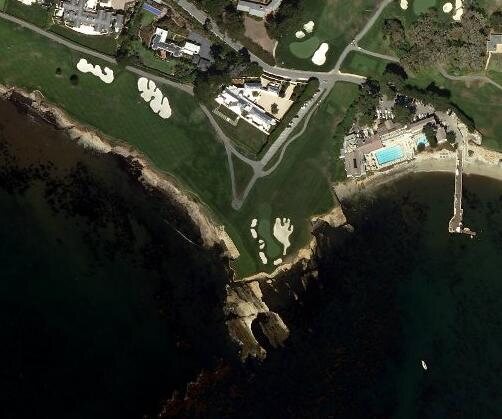
Photo: U.S. Geological Survey, public domain.
Pebble Beach’s par-3 17th has delivered two of the most famous moments in U.S. Open history.
In 1972, Jack Nicklaus hit a 1-iron that struck the flagstick on his way to winning the championship. Ten years later, Tom Watson chipped in from thick rough on the same hole in the final round, helping him beat Nicklaus in one of Pebble’s most iconic finishes.
Same hole. Same opponent. Two different legends.
Why it matters: No. 17 proves that even a short hole can carry massive weight when the moment is big enough.
2. Pebble Beach No. 7 — The Tiny Hole That Can Turn Mean
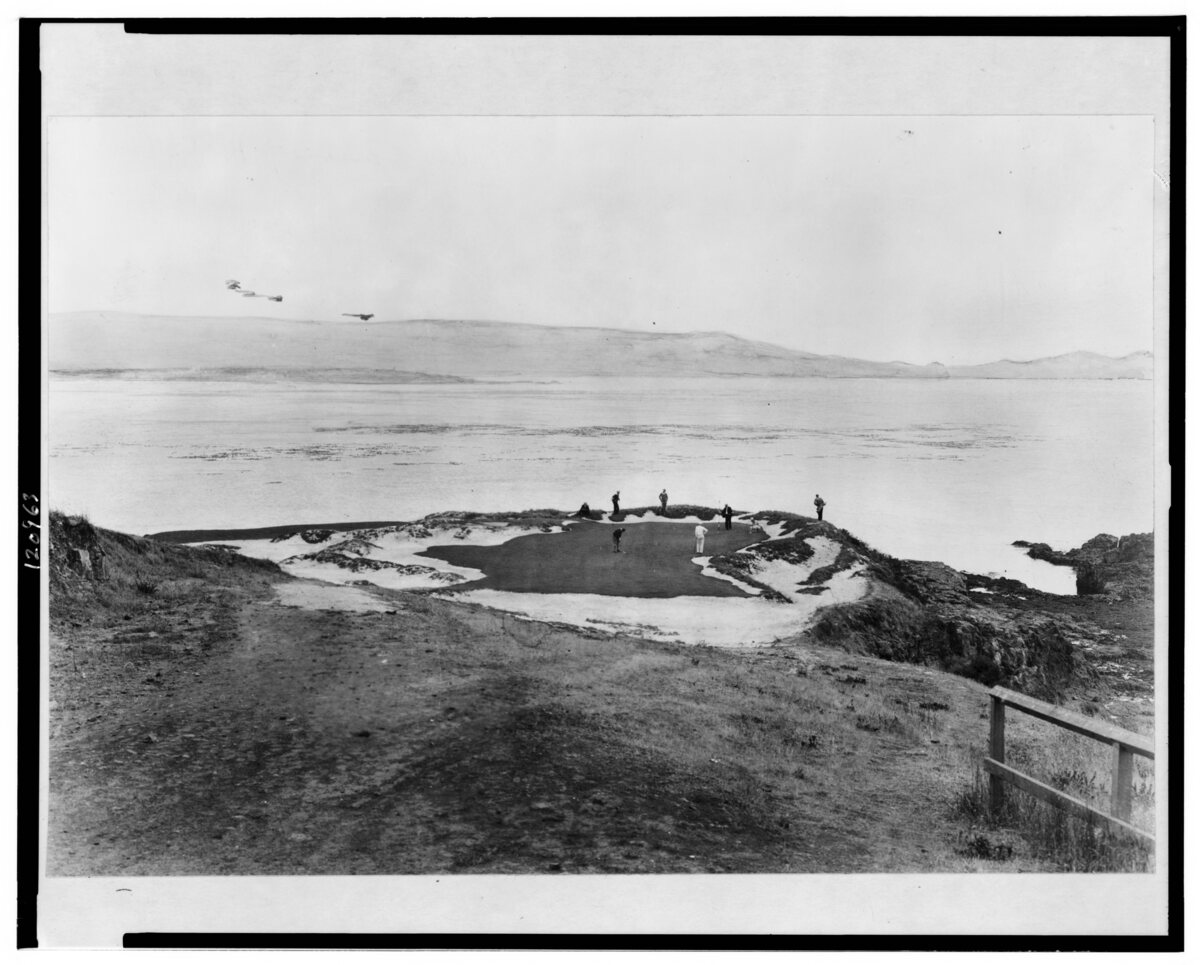
Photo: Library of Congress, public domain.
At barely over 100 yards, Pebble Beach’s seventh hole looks almost harmless. Then the wind shows up.
During the 1992 U.S. Open, Tom Kite chipped in for birdie on No. 7 in brutal conditions and rode that momentum to his first major championship. It was a reminder that Pebble’s shortest hole can still expose every ounce of doubt in a player’s hands.
Why it matters: Distance does not make a hole famous. Drama does.
3. St Andrews No. 17 — The Road Hole
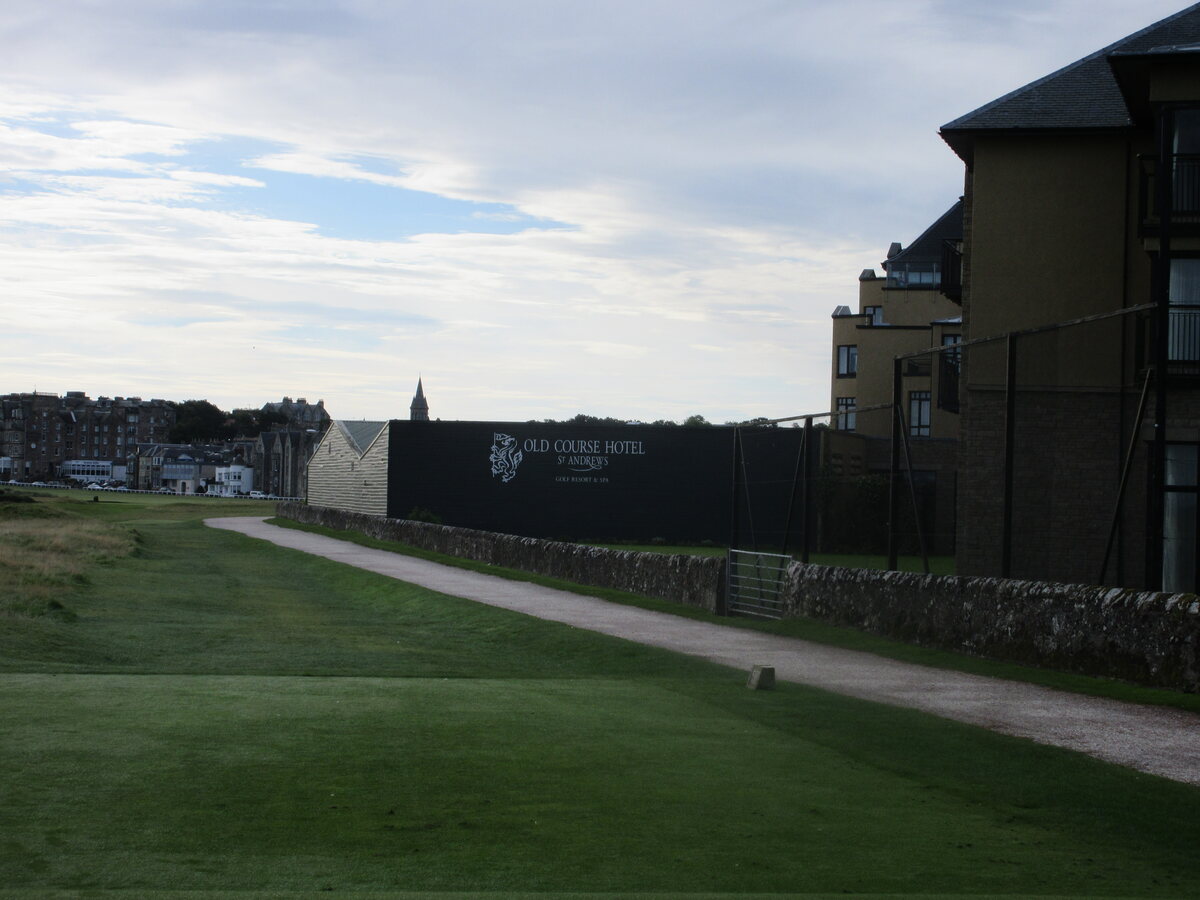
Photo: Scott Cormie / Geograph, CC BY-SA 2.0.
The Road Hole at St Andrews is one of the most feared par 4s in the world. The tee shot is blind. The approach is guarded by the brutal Road Hole bunker. Behind the green sits a road and a wall, both ready to punish even a slightly overcooked shot.
In the 1978 Open, Tommy Nakajima famously took nine on the hole after finding the bunker. The bunker later picked up the nickname “Sands of Nakajima.”
Why it matters: Some holes ask for skill. The Road Hole asks for courage, patience, and a little luck.
4. St Andrews No. 18 — Rocca from the Valley of Sin

Photo: St Andrews Links, CC BY-SA 4.0.
The 18th at St Andrews is one of golf’s grandest finishing holes, but in 1995 it became the scene of one of the sport’s most emotional putts.
Costantino Rocca looked crushed after a poor chip left him in the Valley of Sin short of the green. Then he holed the long putt to force a playoff with John Daly. Rocca did not win the playoff, but the putt became part of Open Championship history.
Why it matters: Sometimes the shot everyone remembers is not the one that wins the tournament. It is the one that refuses to let the story end.
5. Royal Birkdale No. 13 — Jordan Spieth’s Great Escape
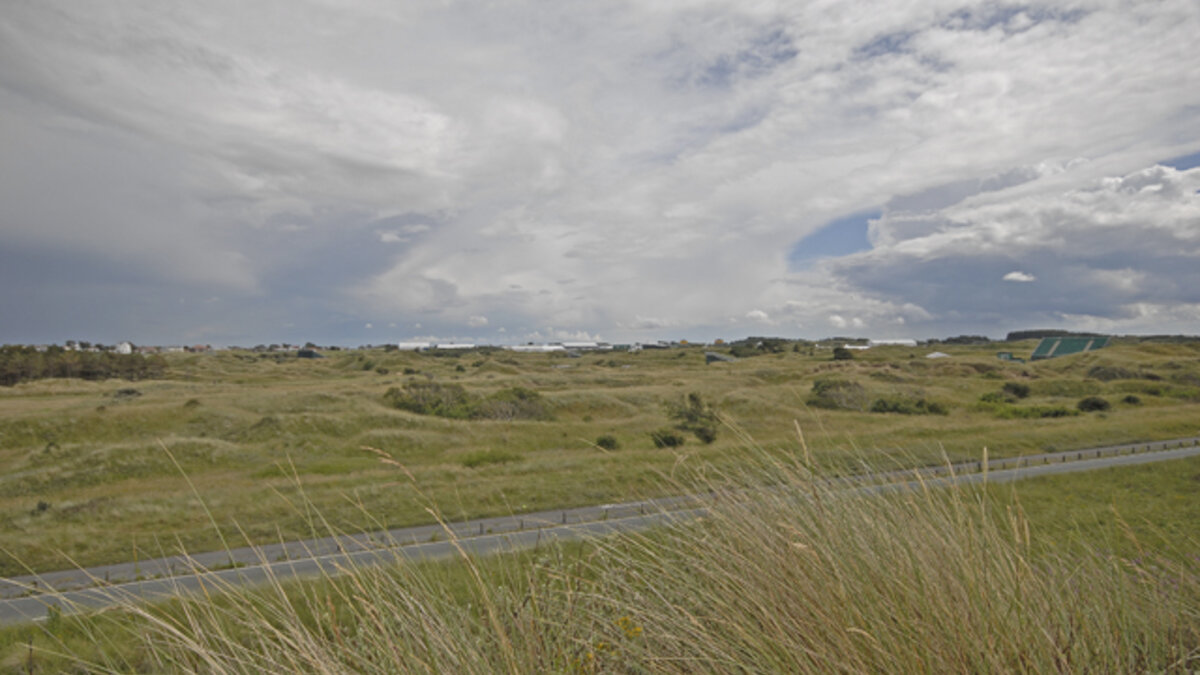
Photo: Gary Rogers / Geograph, CC BY-SA 2.0. Course view, not the exact hole.
Every great round has one hole where everything nearly falls apart.
For Jordan Spieth at the 2017 Open, that hole was Royal Birkdale’s 13th. Holding the lead on Sunday, Spieth hit a wild drive that sent him into a long rules situation near the practice ground. What followed was chaotic, strange, and unforgettable.
After what felt like a tournament slipping away, Spieth escaped with bogey. Then he caught fire, playing the next four holes in a stunning burst that carried him to the Claret Jug.
Why it matters: It was not a perfect hole. That is what made it great. Spieth turned disaster into survival, and survival into a major championship.
6. Turnberry No. 18 — The Duel in the Sun

Photo: Billy McCrorie / Geograph, CC BY-SA 2.0. Course view, not the exact hole.
The 1977 Open at Turnberry is remembered as the “Duel in the Sun,” a final-round battle between Tom Watson and Jack Nicklaus that still feels larger than life.
The two separated themselves from the field and traded shots all the way to the finish. Watson ultimately edged Nicklaus by one, and their walk up the 18th became one of the defining images in Open Championship history.
Why it matters: Golf is usually player against course. At Turnberry, it felt like champion against champion.
7. Kiawah Island Ocean Course No. 18 — The War by the Shore
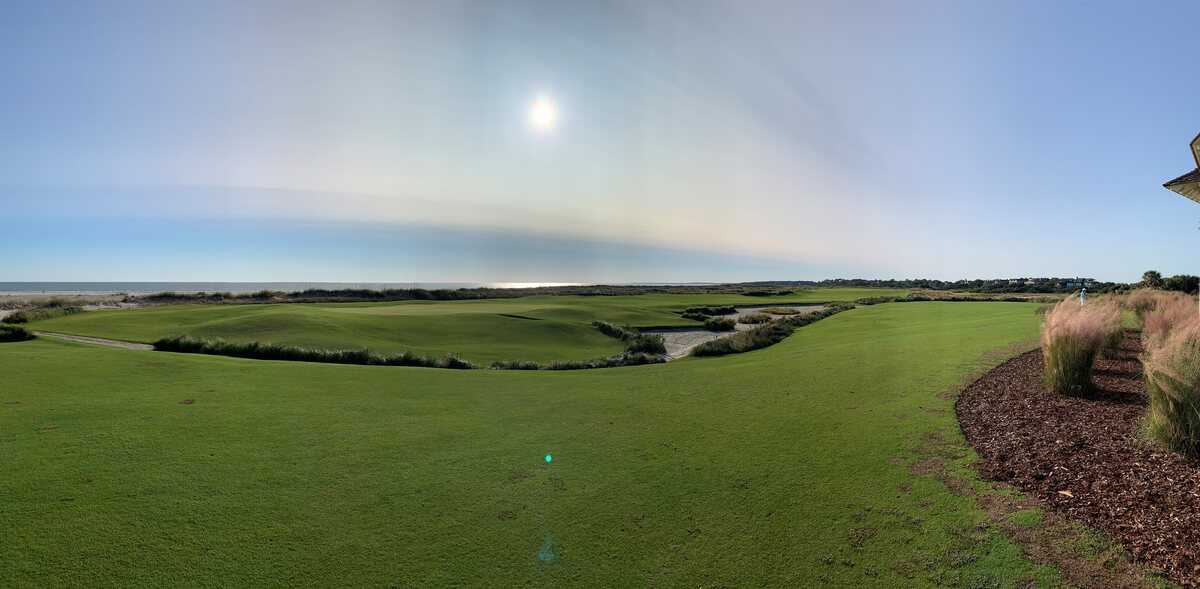
Photo: N75746 / Wikimedia Commons, CC BY-SA 4.0.
The 1991 Ryder Cup at Kiawah Island was so intense it became known as the “War by the Shore.”
The matches came down to Bernhard Langer’s putt on the 18th green in the final singles match. When the putt missed, the United States kept the Cup. It was heartbreak for Europe and pure Ryder Cup chaos for everyone watching.
Why it matters: Team golf changes everything. One putt can carry an entire continent’s hopes.
8. Kiawah Island Ocean Course No. 17 — Calcavecchia’s Ryder Cup Trouble
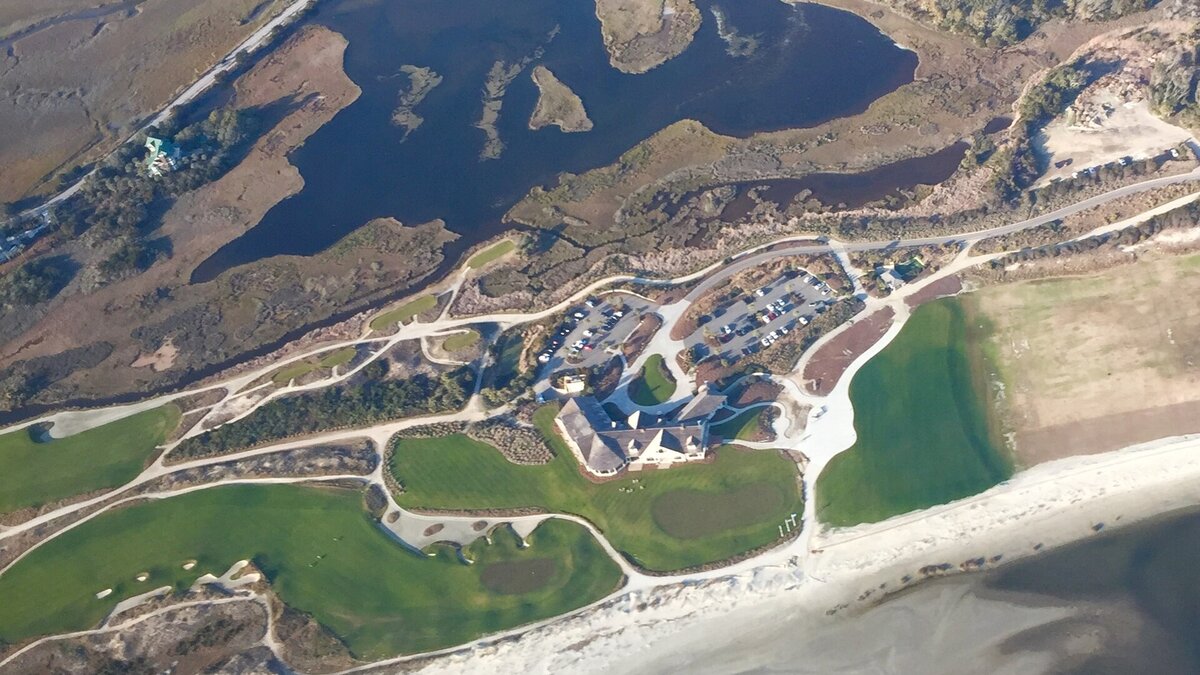
Photo: Tim Marose / Wikimedia Commons, CC BY-SA 4.0. Course view, not the exact hole.
Kiawah’s 17th has its own place in Ryder Cup lore. In 1991, Mark Calcavecchia’s match took a disastrous turn late, including trouble on the par-3 17th.
It was the kind of moment that makes Ryder Cup golf so fascinating: world-class players, impossible pressure, and one swing that suddenly feels heavier than every range ball they have ever hit.
Why it matters: The Ryder Cup does not just test your swing. It tests your nerves.
9. Bay Hill No. 18 — Tiger in the Dark

Photo: Matthewjh44, CC BY-SA 4.0, via Wikimedia Commons. Course view (16th hole), not the exact hole.
Tiger Woods owned Bay Hill like few players have owned any PGA Tour stop.
In 2009, coming back from knee surgery, Woods chased down Sean O’Hair at the Arnold Palmer Invitational and arrived at the 18th green with the tournament on the line. As daylight faded, Tiger poured in a birdie putt to win.
It looked familiar because it was familiar: red shirt, final green, ball disappearing, crowd exploding.
Why it matters: Some players make a hole famous once. Tiger made Bay Hill’s 18th feel like his personal stage.
10. PGA National No. 15 — The Bear Trap Begins

Photo: PGA National Resort.
The Champion Course at PGA National is known for the Bear Trap, a three-hole stretch covering Nos. 15, 16, and 17. It is water, wind, pressure, and doubt all packed into one closing test.
The 15th starts the stretch with a par 3 that gives players very little room to breathe. Find the green and you feel relief. Miss it and the round can change quickly.
Why it matters: Famous holes do not always need one single story. Sometimes the reputation is the story.
Final Thought
The best golf holes are more than yardages and hazards. They are memory machines.
They hold onto shots, collapses, comebacks, and celebrations. They remind us that golf can turn at any moment, whether you are standing over a wedge at Pebble Beach, a putt at St Andrews, or a simulator tee box trying to write your own version of the story.
RECENT ARTICLES
- Famous Golf Holes of Ohio & the Midwest: 10 Stories Every Golfer Should Know
- GOLFZON TwoVisionNX
- Part 1: 10 Famous Golf Holes and the Stories That Made Them Legendary CURRENT